



Discover simple ways to help your senior dog thrive through every stage of ageing, including how Senior Aid and nutritional support can complement your dog’s golden years.
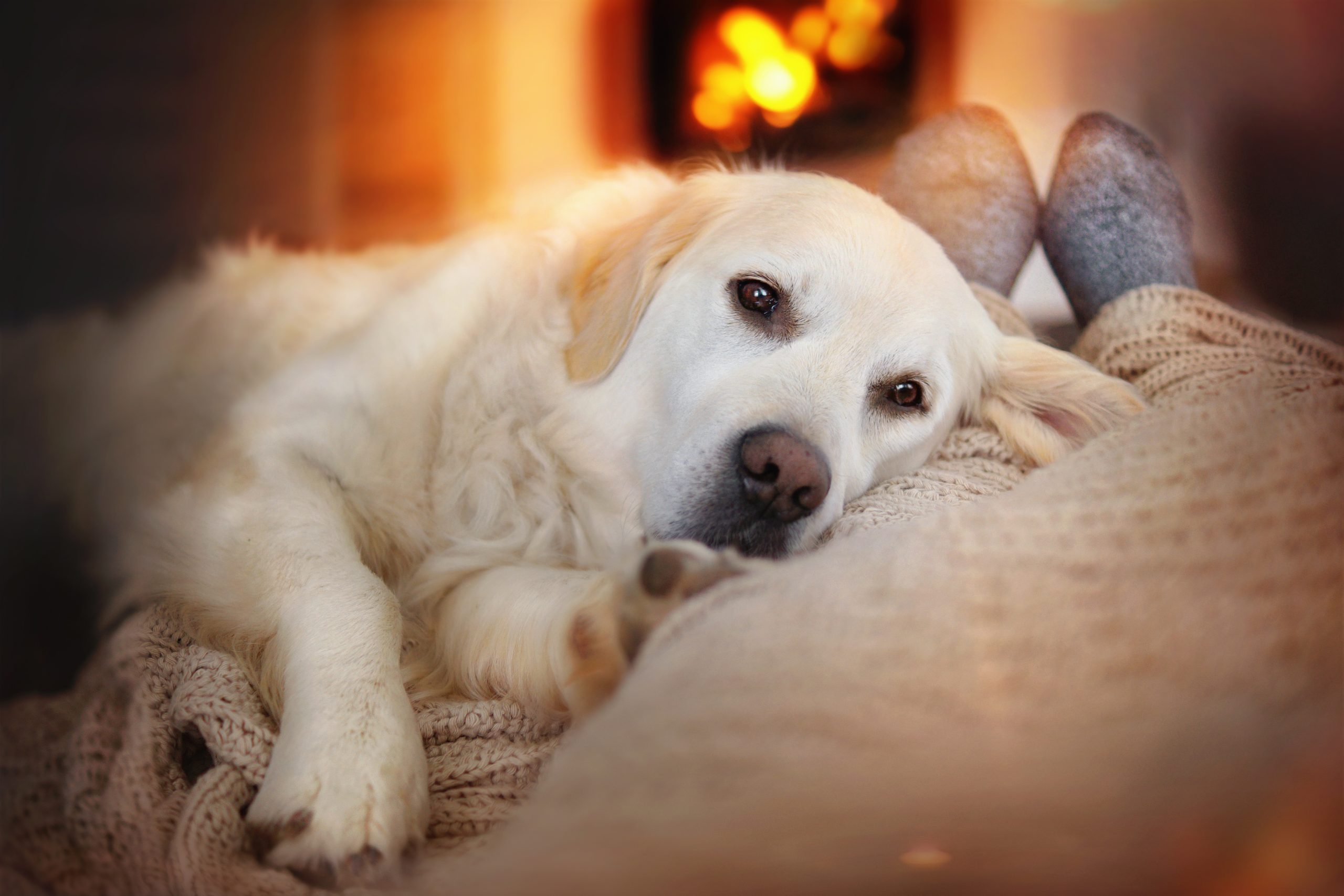
Watching your beloved pet grow older is a special journey filled with treasured memories, familiar routines and plenty of love. While your dog may slow down a little with age, their need for comfort, companionship and good care never changes. In fact, a few thoughtful adjustments to their daily routine can make a real difference to their quality of life.
From choosing the right food to maintaining mobility and supporting their changing needs, there are many ways to help your senior dog enjoy their golden years. Here’s how to keep your older companion happy, healthy and comfortable at every stage of ageing.
Schedule Regular Veterinary Check-Ups
As dogs get older, they can become more susceptible to age-related conditions, including arthritis, dental disease and changes in organ function. Some problems develop gradually, making them difficult to spot at home.
Regular veterinary check-ups help identify potential concerns early, allowing you to take action before they significantly affect your dog’s wellbeing. For many senior dogs, check-ups every six months are a useful starting point, although your vet may recommend a different schedule depending on your pet’s health. During these visits, your vet can assess your dog’s weight, mobility, teeth, eyes and overall health, as well as recommend any necessary blood tests or preventative treatments.
Keep an eye out for changes in appetite, thirst, sleep, toilet habits, energy levels or behaviour. If something seems unusual, contact your vet rather than assuming it’s simply part of getting older.
Provide a Balanced, Age-Appropriate Diet
Your dog’s nutritional needs can change as they age. Their activity levels may decrease, their metabolism may slow, and maintaining a healthy weight can become more challenging.
Feeding a complete and balanced diet appropriate for your dog’s life stage can help support their overall wellbeing. Depending on their individual needs, your vet may recommend adjustments to calorie intake, protein levels or other nutrients.
To help keep mealtimes healthy and enjoyable:
- Choose a nutritionally balanced food suited to your dog’s age and health.
- Measure portions carefully to help prevent unwanted weight gain.
- Ensure fresh, clean water is always available.
- Monitor changes in appetite, chewing or swallowing.
- Speak to your vet before making significant dietary changes.
Older dogs may also benefit from additional nutritional support, such as Senior Aid Dog Aging Supplement. Senior Aid is a complementary feed that contains the nutrients necessary to ensure optimum health and brain aging in older dogs. The product has been scientifically formulated to ensure its key ingredients play their own individual roles in helping to slow the ageing process.
Keep Them Moving With Gentle Exercise
Just because your dog is getting older doesn’t mean exercise should disappear from their routine. Regular, appropriate movement helps maintain muscle strength, supports mobility, manages weight and provides valuable mental stimulation.
The key is to adapt activities to your dog’s individual abilities. Instead of one long, demanding walk, try shorter, more frequent outings. Allow plenty of time for sniffing and exploring and let your dog set a comfortable pace. Gentle play in the garden or other low-impact activities can also help keep them engaged.
Watch for signs that your dog is becoming tired or uncomfortable, such as lagging behind, limping, excessive panting or reluctance to continue. If you notice these signs, adjust their activity and consult your vet. Remember: The goal isn’t to push your senior dog to do more. It’s to help them stay active in ways that feel good for their body.
Make Your Home Comfortable and Safe
Ageing can affect your dog’s balance, vision, hearing and ability to move around comfortably. Small changes around the home can help them feel safer and more confident. Consider providing:
- Supportive bedding: A comfortable, well-padded bed can help your dog rest and relax.
- Non-slip flooring: Rugs or non-slip mats can provide extra grip on slippery floors.
- Easy access: Pet ramps or steps may help your dog reach favourite resting spots without jumping.
- Convenient essentials: Keep food, water and bedding easy to access.
- A comfortable temperature: Make sure your dog has a warm, draught-free resting area and can move somewhere cooler when needed.
Try to keep furniture and familiar belongings in consistent places, especially if your dog has changes in vision or cognitive function. A predictable environment can help reduce confusion and anxiety.
Don’t Overlook Dental Health and Grooming
Dental health is an important part of caring for an older dog. Plaque, gum disease and damaged teeth can cause pain and make eating uncomfortable, sometimes without obvious signs at first. Regular dental checks and a vet-approved oral care routine can help protect your dog’s mouth. Look out for persistent, bad breath, drooling, difficulty eating, swollen gums or pawing at the face.
Grooming is equally valuable. Gentle brushing helps keep the coat clean, reduces tangles and gives you an opportunity to check for lumps, skin changes or sensitive areas. Older dogs may also need more frequent nail trims if they’re less active and their nails aren’t wearing down naturally. Make grooming sessions short and comfortable and avoid putting pressure on stiff or painful joints.
Keep Their Minds Active
Your senior dog still needs opportunities to explore, learn and enjoy life. Mental stimulation can be especially valuable when long walks and energetic games become less suitable. Try incorporating simple activities into their day such as:
- Sniffing games using dog-safe treats.
- Quiet exploration in new, safe environments.
- Extra time for affection and one-to-one attention.
Some older dogs develop changes in memory, sleep patterns or awareness. They may become restless at night, appear confused in familiar places or seem less responsive to people and routines. These changes shouldn’t automatically be dismissed as normal ageing. Speak to your vet if you notice unusual behaviour, as medical conditions, pain, sensory changes and canine cognitive dysfunction can all play a role.
Give Them Plenty of Love, Patience and Reassurance
One of the most valuable things you can offer an ageing pet is a little extra patience.
Your dog may need longer to get up, take more breaks during walks or prefer quiet evenings to busy outings. They might also become more sensitive to changes in routine or their surroundings. Follow their cues, maintain familiar daily habits and make time for the activities they still enjoy. A gentle walk, a favourite toy, a comfortable nap beside you or a few extra cuddles can make an ordinary day feel special.
Quality of life isn’t measured by how much your dog can do. It’s about helping them feel safe, comfortable, connected and loved.